Is Santa Real? Yes, and Here Is the Story Behind Him

Yes. Santa is real. He began as a real man, Nicholas of Myra, who gave gifts in secret so that nobody would know they came from him, and the tradition he started has been carried on ever since by people who love children. That is why Santa still arrives every Christmas Eve.
If your child has just asked you this out loud, take a breath. You do not have to settle it in one sentence, and you do not have to choose between being honest and keeping the wonder. This guide covers the real history, what your child is usually asking underneath the question, and what to say at each age. New to the tradition? Start with our complete guide to letters from Santa.
Is Santa real?
Santa is real in every way that counts. There was a real man. There is a real story. And every December there is a very real, worldwide habit of grown people staying up late, keeping secrets, and giving to children without wanting any credit, which is exactly what Nicholas was famous for. The name has changed a lot over the centuries. What people actually do has not.
That is not a way of dodging the question. It is the answer that still holds true when your child is sixteen, which is more than most answers manage. Most children ask for the first time somewhere between seven and nine, right around the age they start questioning the story. It means their mind is growing, not that the magic is over.

Who was the real Santa Claus?
His name was Nicholas. Born in the third century in Patara, a seaside town in what is now southern Turkey, he became Bishop of Myra while still a young man. He inherited money and spent his life quietly giving it away.
The famous story is the one that started everything. A poor man had three daughters and no dowry for any of them, which in that world meant a bleak future. On three separate nights a small bag of gold came through the window and landed near the fire, where the stockings hung drying. Nobody saw who threw it.
He never wanted to be caught, and that part is worth telling your child. He is remembered on December 6, and his story traveled: the Dutch called him Sinterklaas, English speakers turned that into Santa Claus, and the red suit and reindeer came much later. The St. Nicholas Center keeps the full record. So when a child asks whether Santa was ever a real person, you get to say yes. He was real, and we know the town he grew up in.
What should you say when your child asks if Santa is real?
Find out what is actually being asked, because the same five words mean very different things at different ages. The best opening move is not an answer at all. It is a question: "What do you think?" It buys you a moment and almost always tells you which conversation you are about to have. A younger child wants reassurance and will say so. An older one who has been chewing on this for weeks will offer "well, Jayden said..." and watch your face. Let them steer.
| Their age | What the question usually means | Where to take the answer |
|---|---|---|
| 4 to 6 | Curiosity, not doubt. They heard something at preschool. | Warm and simple. Yes, and here is how the stockings started. |
| 7 to 8 | The logistics are not adding up. They want the math to work. | Answer the exact question asked, then let the details do the rest. |
| 9 to 10 | A friend said something, and they want to know what you will say. | "What do you think?" Then the real story of Nicholas, which beats the rumor. |
| 11 and up | They likely know, and are asking whether they can still take part. | The spirit answer, and an invitation to join the giving side. |
What if they ask whether Santa is really their parents?
This is the version that makes parents freeze, so have an answer ready before it arrives. Here is one that is true: Santa has always worked through helpers. He worked through them as Nicholas, dropping gold through a window at night so nobody would know, and he works through them now. Parents are part of how the giving gets done.
Say it warmly and it lands as an answer, because it is one. It also moves your child gently from being on the receiving end of the magic to understanding how it gets made, which is where they are heading anyway.
How do you show a doubting child that Santa is real?
A child at this stage is doing what any good skeptic does. They are asking for evidence, and there are two kinds. The first is proof that he was here: a boot print by the fireplace, a cookie with a bite out of it, a few loose sleigh bells on the lawn. For a younger child this is delightful and completely sufficient.

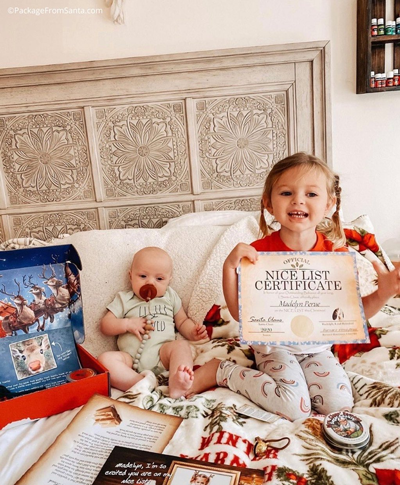
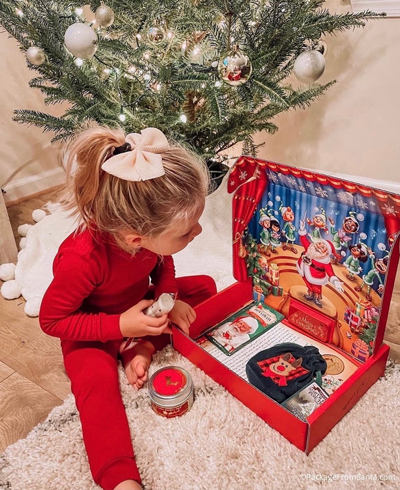
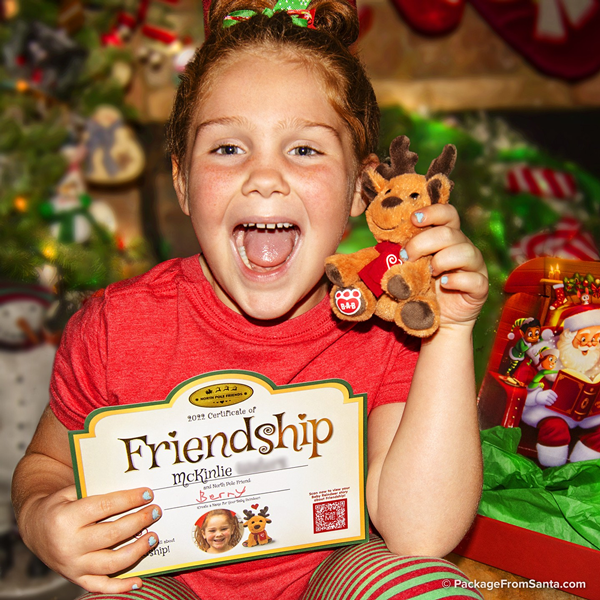
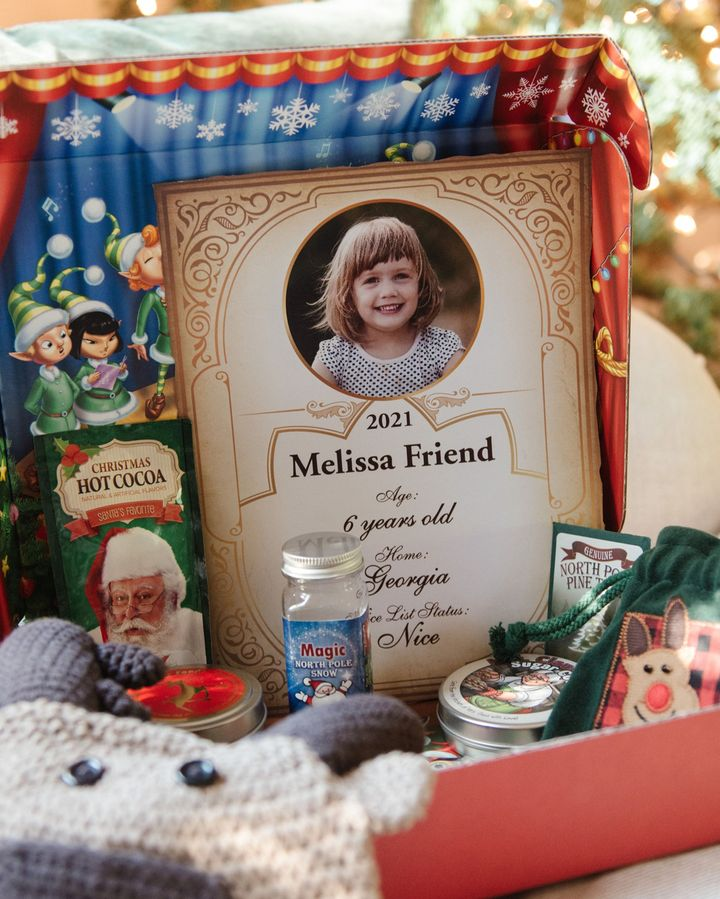
The second is proof that he knows you, and this is the one that stops a nine year old cold. A sharp child can explain away a cookie crumb. They cannot explain away a letter that names their dog, mentions the thing they were proud of back in March, and arrives in a keepsake box addressed to them.
That difference is everything. A clever child can argue with a crumb on a plate. Nobody argues with a letter that knows the dog's name.


'My son is 8 and kept asking me if there really is a Santa. This package helped him to still believe and he was excited to receive it.'
- JoAnn L., New Jersey - Verified Buyer
When is a child ready to become a Santa?
Sooner or later, usually later than parents fear, a child works the whole thing out. The University of Exeter's international Santa survey puts the average age at about 8, with a wide range either side, and most people look back on the moment without real distress.
How you say it decides everything. If it comes out as a correction, your child feels caught out. If it comes as an invitation, they feel trusted. Many families use a version of the same conversation: you have worked it out, so you are old enough to be a Santa now, and here is your first assignment. Pick a younger cousin. Give something without telling them it came from you. Nothing gets taken away that way. Your child just moves over to the giving side, which is the better side to be on anyway.

Frequently asked questions
Is Santa real, yes or no?
Yes. He was a real person, Nicholas of Myra, and the tradition of secret gift giving he started has never stopped. The spirit of Santa, generosity given without wanting credit, is as real as anything in your house on Christmas morning.
What is Santa Claus's real name?
Nicholas. He is known as Saint Nicholas, and he served as the Bishop of Myra, a town on the coast of what is now southern Turkey. The Dutch called him Sinterklaas, and English speakers turned that name into Santa Claus.
How old is Santa Claus?
The real Nicholas was born in the third century, which makes the story behind Santa Claus more than seventeen hundred years old. His feast day is still marked on December 6, and in much of Europe that is the day the gifts arrive.
Is Santa real or is it your parents?
Santa has always worked through helpers, and parents are part of how the giving gets done. That was true when Nicholas slipped gold through a window so nobody would know it came from him, and it is true now.
Is it bad to let my child believe in Santa?
No. Imaginative play is a healthy part of childhood, and there is no good evidence that the Santa tradition damages a child's trust in their parents. Most children work it out gradually and on their own terms, and a warm, unhurried approach keeps it a happy memory.
Give them something they can hold
A personalized letter from Santa, written around your child's real year and mailed from the North Pole.
Create their Santa letter →Backed by our 90-Day Money-Back Guarantee.

About the author
Co-Founder, Package From Santa®
Carey is a co-founder of Package From Santa® and a parent who has spent more than 20 years helping families create believable, personalized Christmas magic. Known around the North Pole as Elf Carey.
Related reading: What age do kids stop believing in Santa? and How to get a personalized letter from Santa on the Package From Santa® blog.